Ford & Lincoln Interiors
Design Influence, Research & Interior Architecture
Global UX Strategy Developing the Interior HMI Strategy for Ford & Lincoln
Industry
Automotive Interiors / Vehicle HMI Systems
Timeline
2020 – Present
Services
Research · Prototyping · Interaction Design · UX Strategy
01 / Overview
The Challenge
As UX Strategy Lead, we directed the research, prototyping, and interaction design process to establish the foundation of Ford and Lincoln interior experiences from 2020 onward. The team designed an interior HMI architecture that supported both physical and digital interactions, primarily shaping driver zones and in-vehicle interiors as well as influencing cross-vehicle ecosystems.
02 / The Challenge
Shared Electrical Architecture, Distinct Luxury Experiences
“The key challenge was ensuring that Lincoln delivered a distinctive luxury experience Quiet Luxury while sharing the same system backend as its Ford counterpart.”
How do we create two completely distinct interior brand experiences under a unified manufacturing umbrella? Pushing beyond traditional engineering constraints, we designed an HMI framework that balanced efficiency and scalability for Ford while allowing Lincoln to carve out its premium sanctuary of “Quiet Luxury”. This required challenging entrenched ways of working, transforming raw technology constraints into artistic interaction haptics, high-fidelity cluster graphics, and beautifully unified control systems.
03 / Our Approach
Product Attribute Model
We mapped the emotional drivers of premium car ownership to design a system where interaction haptics and digital interfaces map directly to consumer desires.
Product Sensory Cues
The initial physical surface of the customer's experience. This includes interior architecture shapes, material textures, physical rotary knobs, key tactile detents, and direct screen illumination levels.
Emotional Sensory Cues
Characteristics detected through live interaction haptics, high-definition transition animations, organic sound design, and contextual screen dimming that together define the user's emotional connection.
Desires
The most intimate space of the ideal user experience. Translating sensory cues into feelings of effortless safety, ultimate personal control, tranquility, and Quiet Luxury.
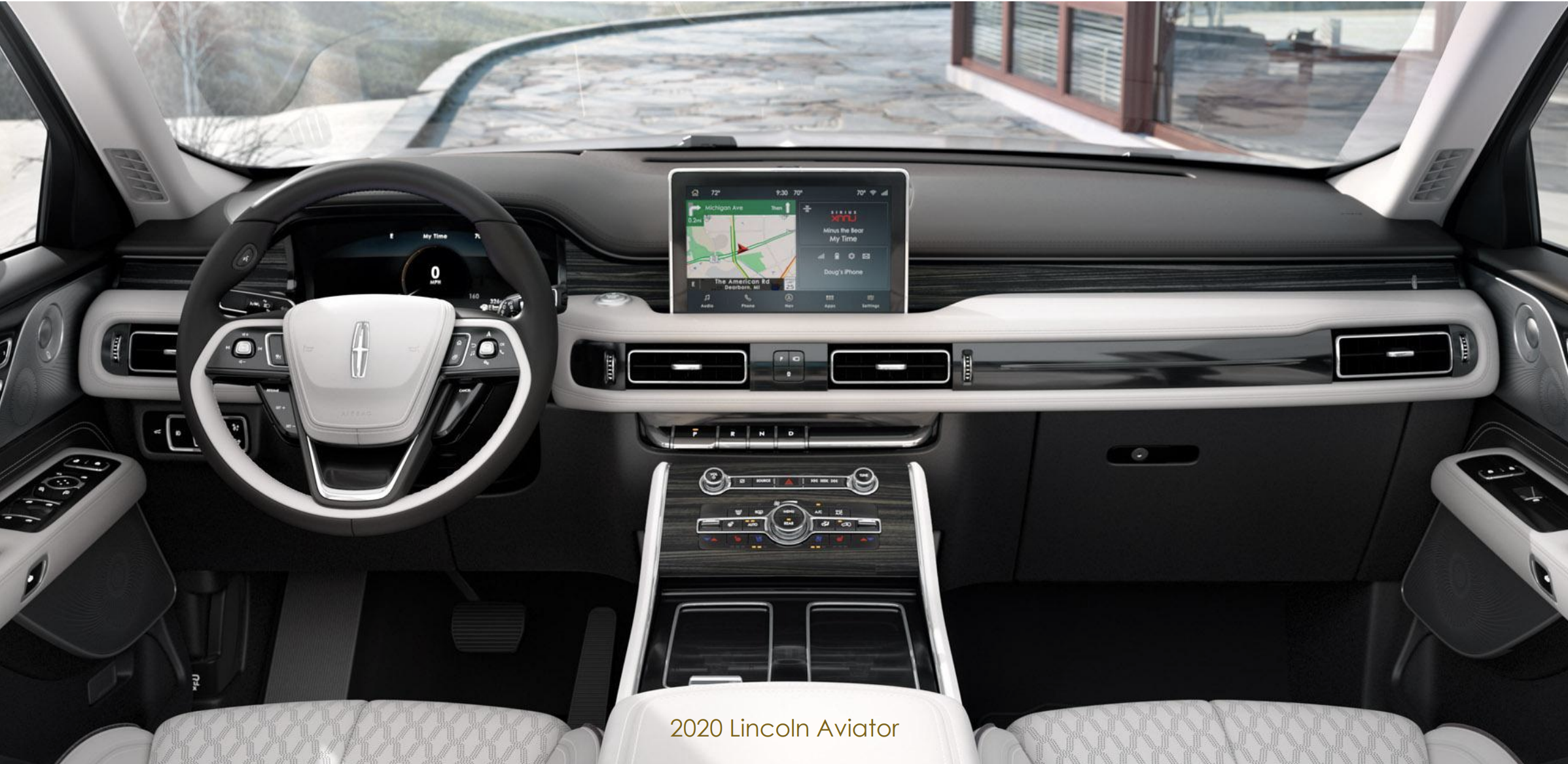
Award-winning 2020 Lincoln Aviator Interior
04 / The Solution
Architecting the Driver Ecosystem
We laid the foundation for all Ford & Lincoln interiors from 2020 onward. The HMI strategy defined how driving-critical information, infotainment, vehicle settings, and mobile companion experiences distribute seamlessly.
The digital architecture scales beautifully across instrument clusters, heads-up displays, secondary center screens, and mobile companions. By separating core functionalities based on driver cognitive load, we mapped out a multi-modal screen interaction scheme that minimizes eye-off-road times while elevating premium comfort settings.
The strategy encompassed concept builds from low-fidelity physical prototypes through high-fidelity interior mockups, enabling real user testing, validation, and agile iterations with cross-functional global engineering teams at every milestone.
05 / HMI System Showcase
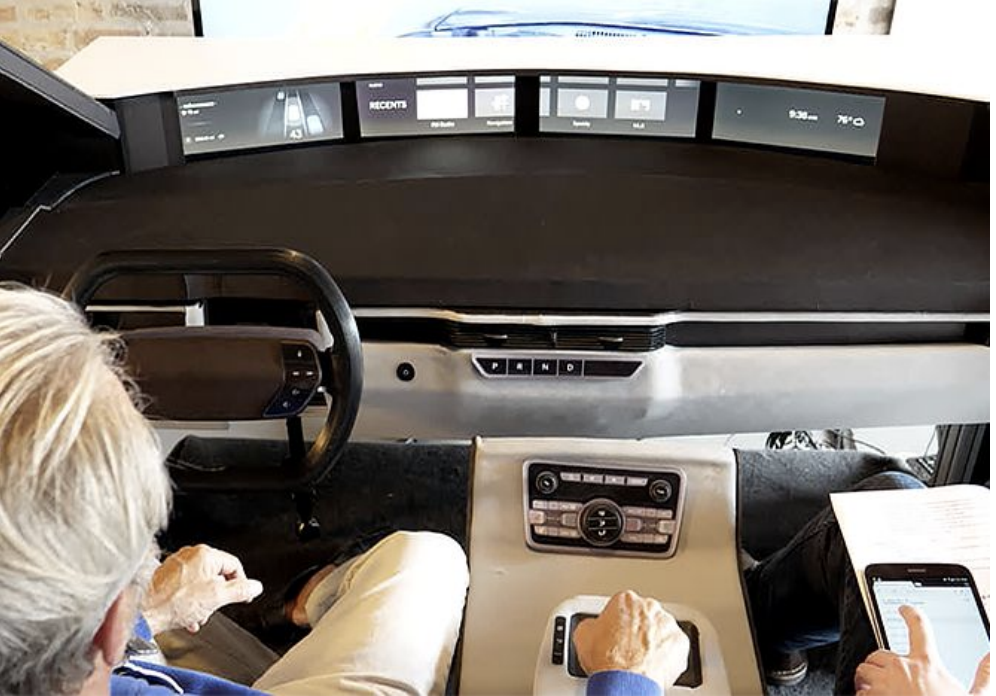
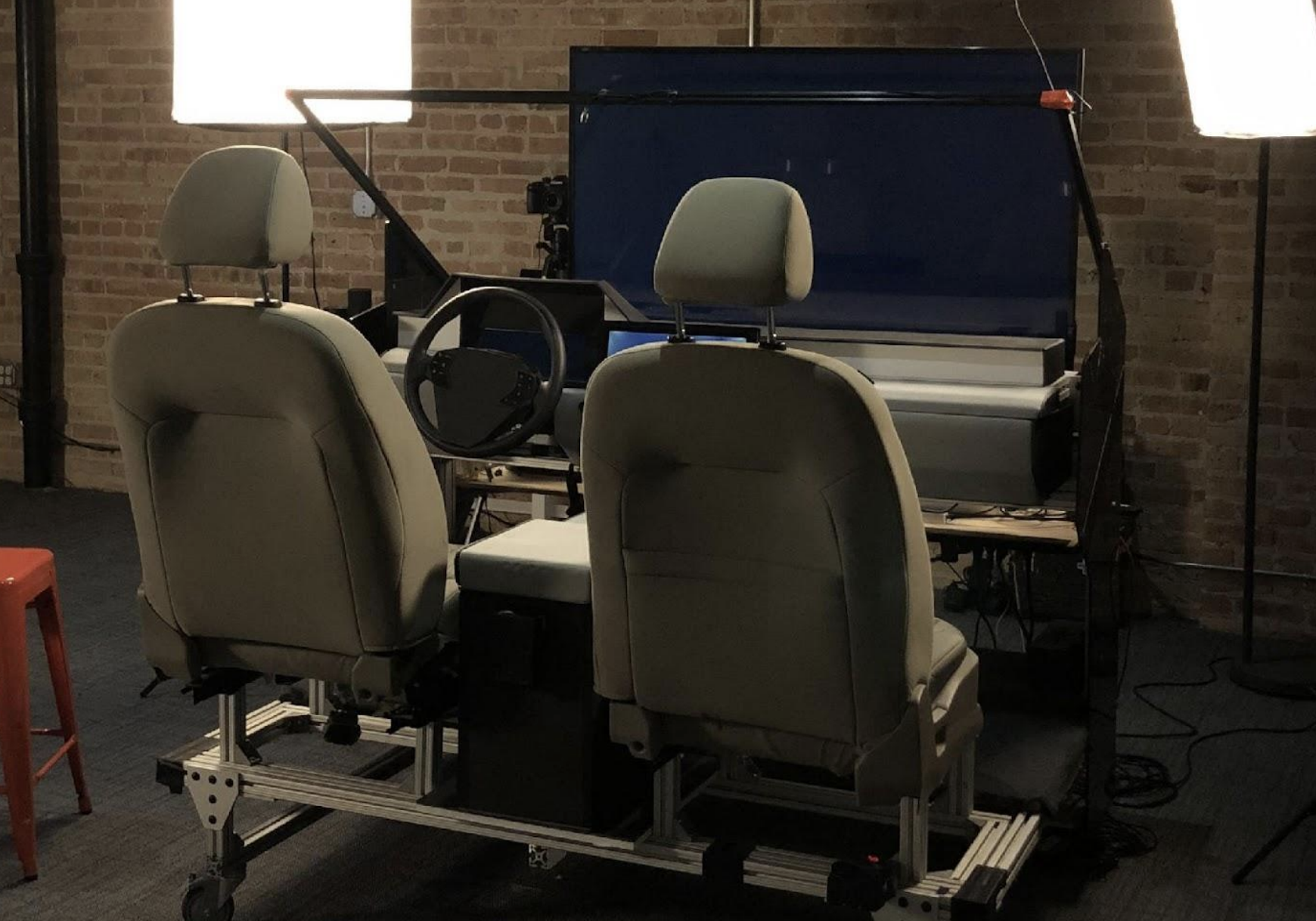
Low-Fidelity Physical Prototyping and Interaction Layout Lab Build
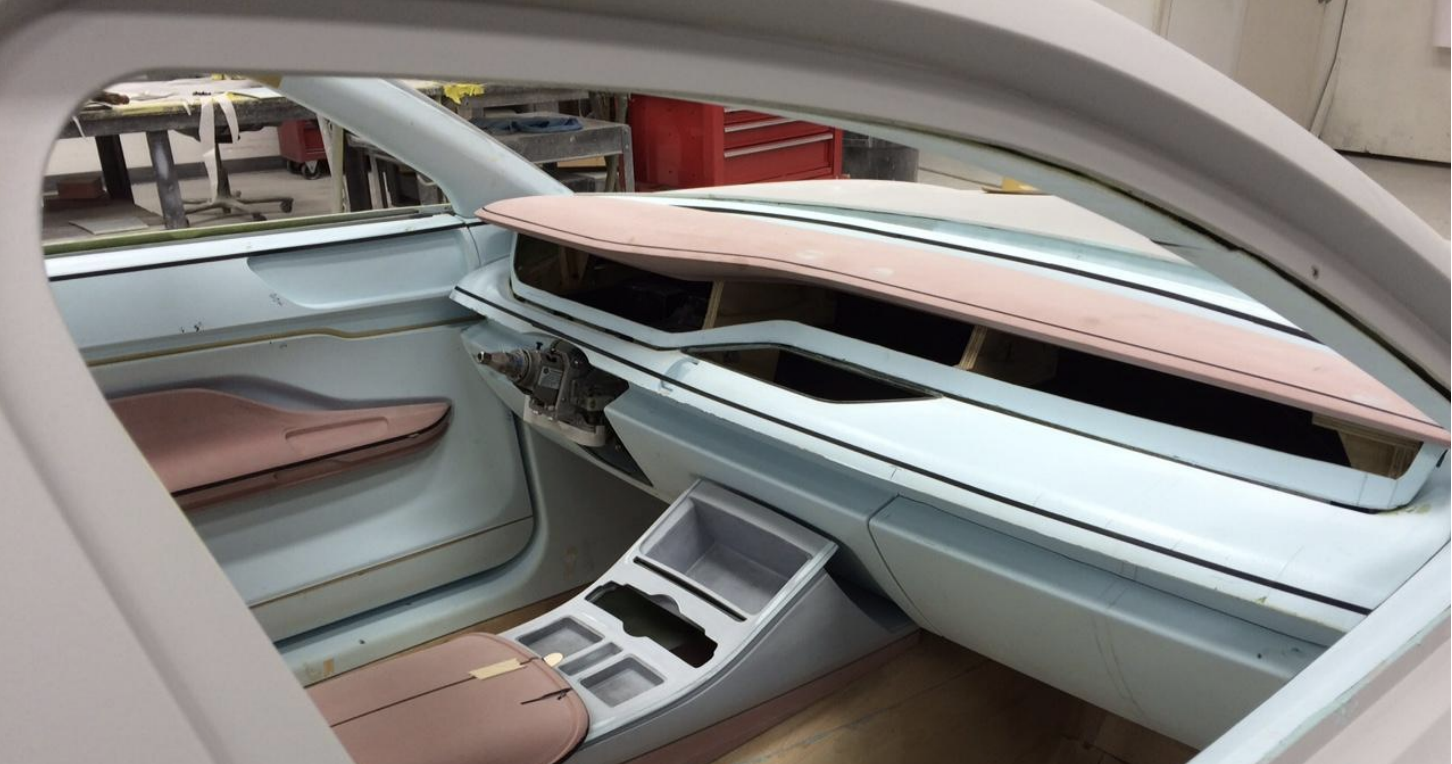
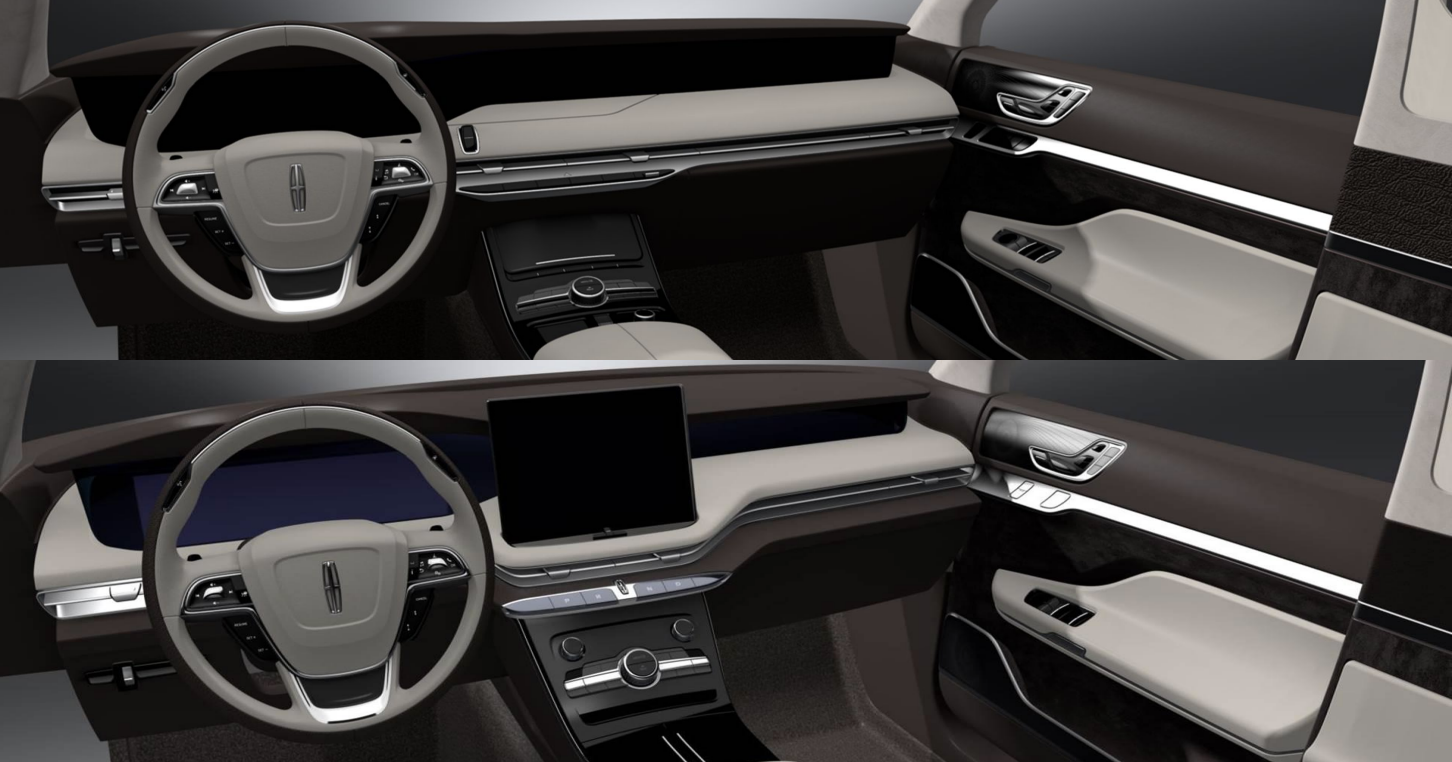
High-Fidelity Virtual HMI Driver Simulation Mockup
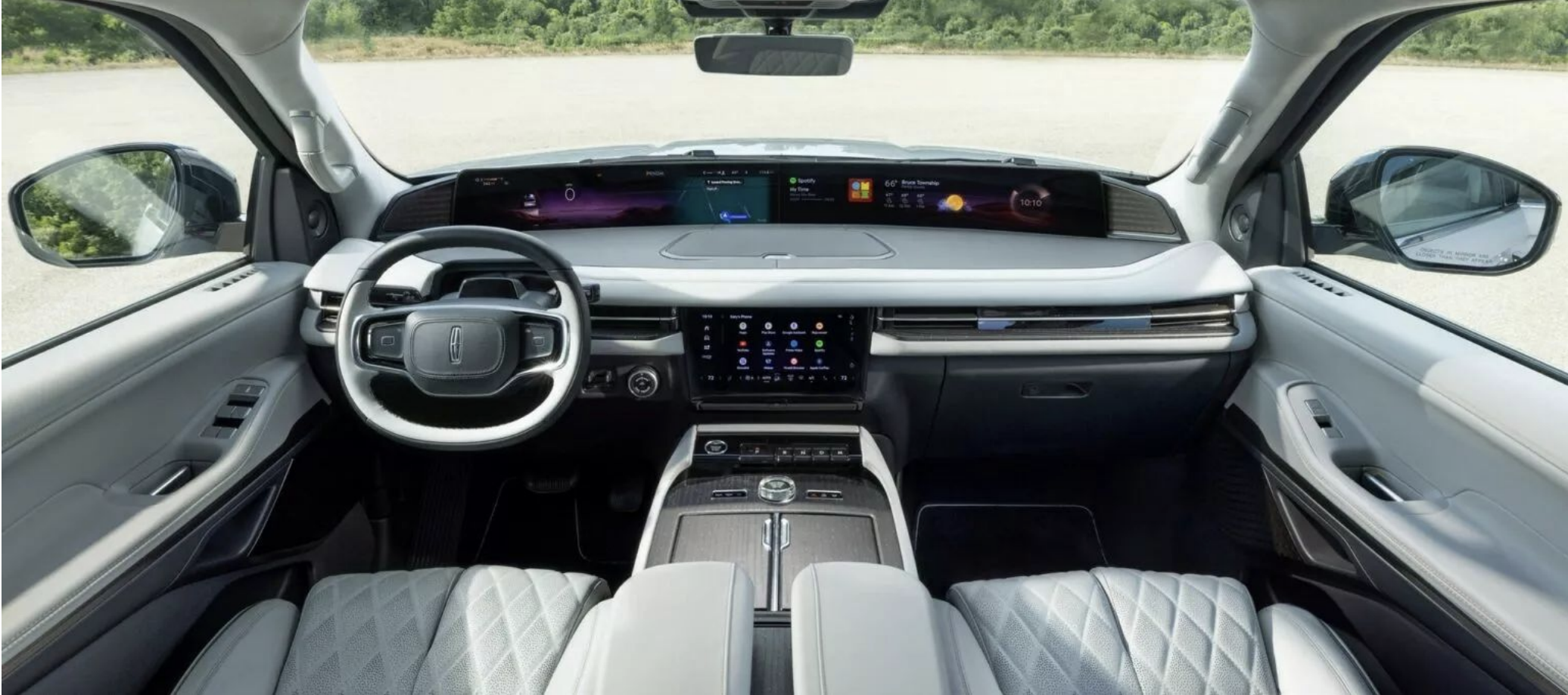
2025 Lincoln Navigator Panoramic Pillar-to-Pillar Digital Interface
“This case demonstrated the power of UX leadership in balancing efficiency, scalability, and brand distinction across global product lines.”
UX Strategy Lead, Plambo Solutions
06 / Strategic Impact
Outcome & Impact
Our work successfully unified backend platform scale while establishing iconic, differentiated premium brand assets for Lincoln.
Key Project Impacts
Reduced complexity: Significantly decreased physical button counts and hardware variants while expanding digital capabilities.
Industry Recognition: The Quiet Luxury HMI execution won multiple awards for the Lincoln Continental, Navigator, Aviator, and Nautilus.
Strategic Longevity: HMI paradigms defined during our initial strategic engagements continue to direct layout parameters across all current models.